






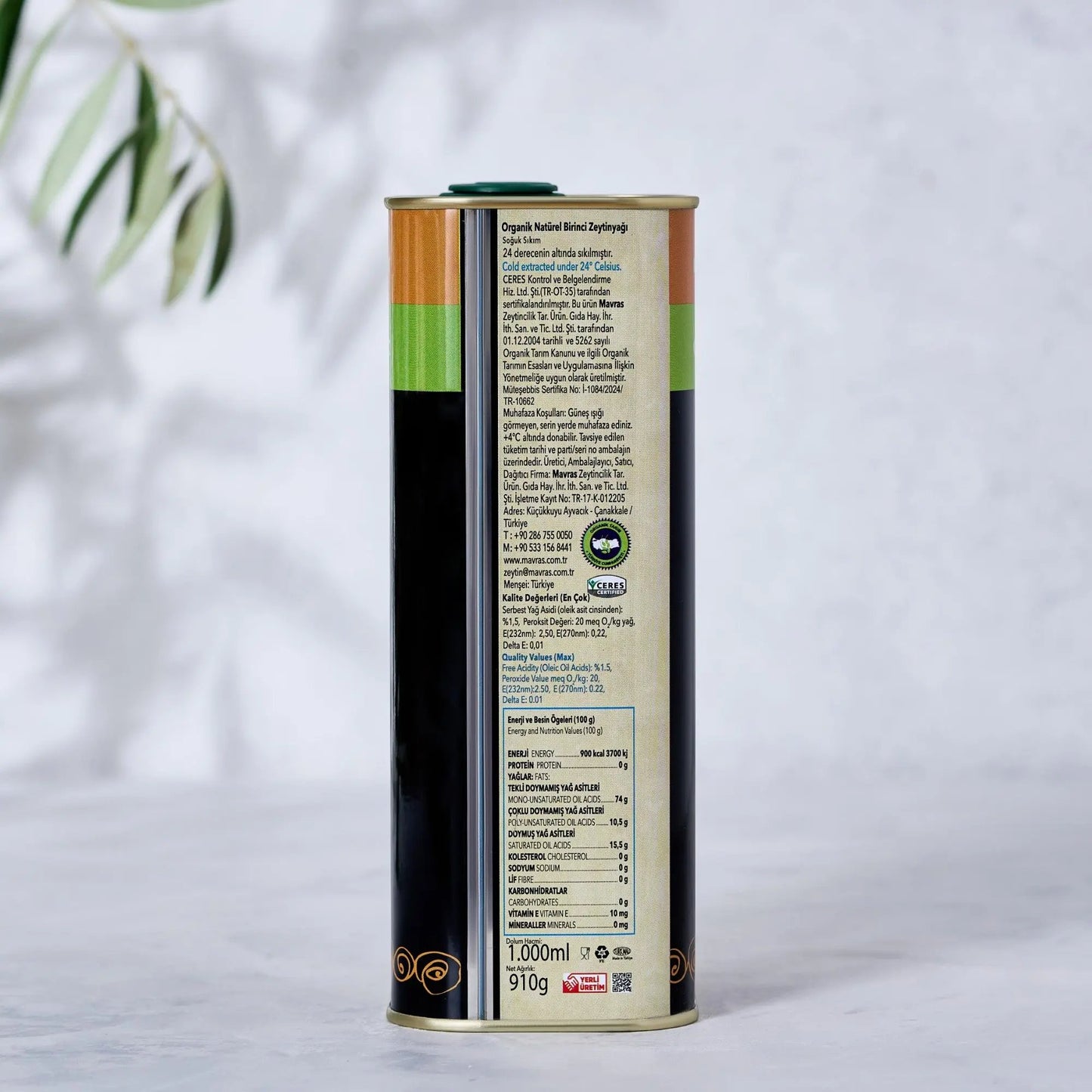

Olive oil, in addition to being one of the indispensable flavors of our kitchens, also attracts attention with the health benefits it offers. Recently, olive oil prices have started to come to the agenda frequently. So, what do these fluctuations in olive oil prices mean, and what are the latest developments in this regard?
Reasons for the Change in Olive Oil Prices
Changes in olive oil prices are mostly dependent on the global olive production volume. Especially climate change affects production processes, and this directly impacts the market price of the product. Turkey holds an important position in olive production, and local market price changes run parallel to global trends.
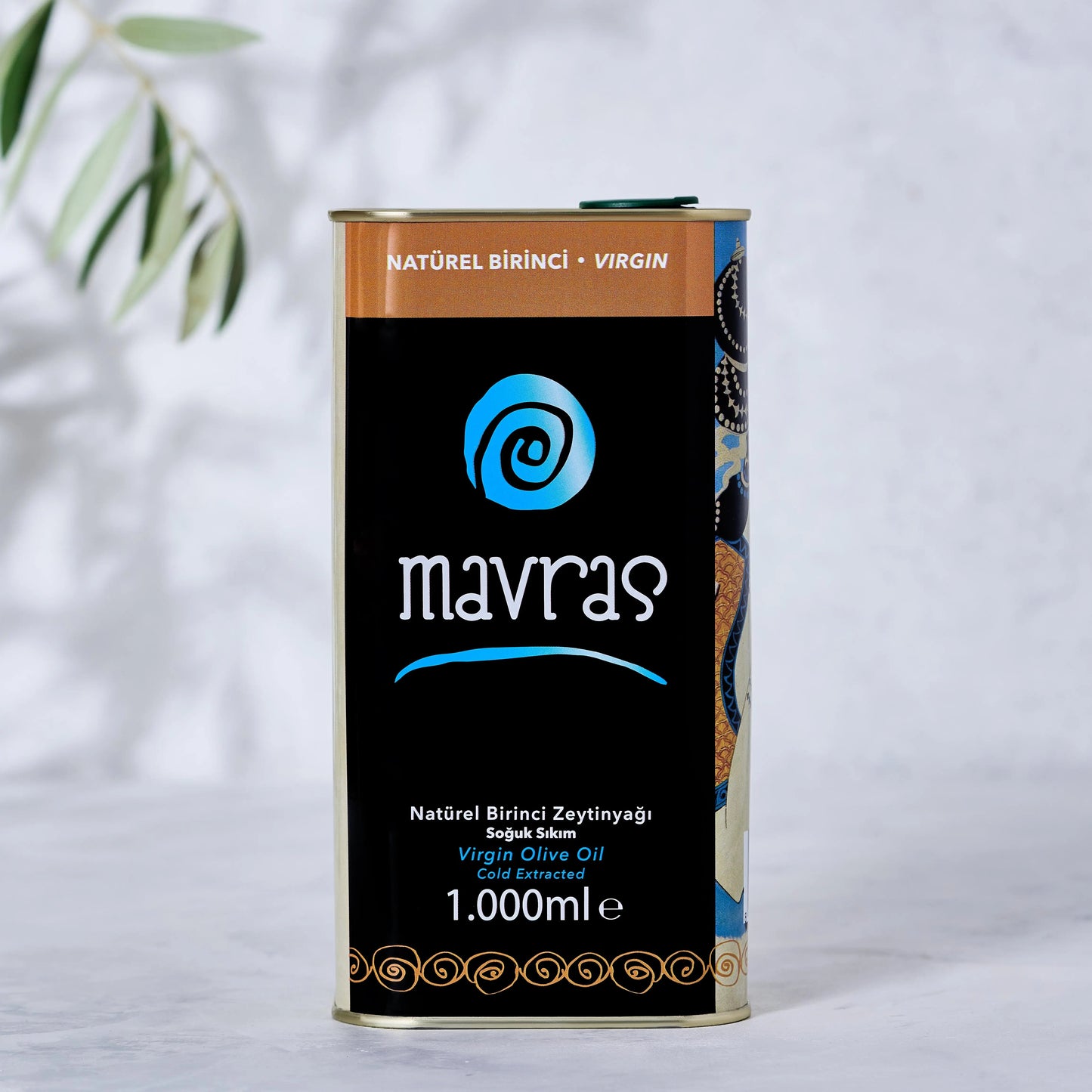
Local producers have to cope with the demand for organic and natural olive oils. In this context, products such as Organic Extra Virgin Olive Oil - Ripe Harvest and Organic Extra Virgin Olive Oil - Early Harvest stand out among the healthy alternatives preferred by consumers.
Consumer Preferences and Types of Olive Oil
Olive oil preferences are generally shaped by the olive's harvest time, production method, and whether the product is organic. Olive oils produced from early harvest olives offer a slightly more bitter and fruity taste, while oils obtained from ripe harvest olives have a softer and milder aroma. In this context, GIFT – Extra Virgin Olive Oil is also one of the alternatives preferred for special occasions.
Olive Oil Content and Its Effects on Health
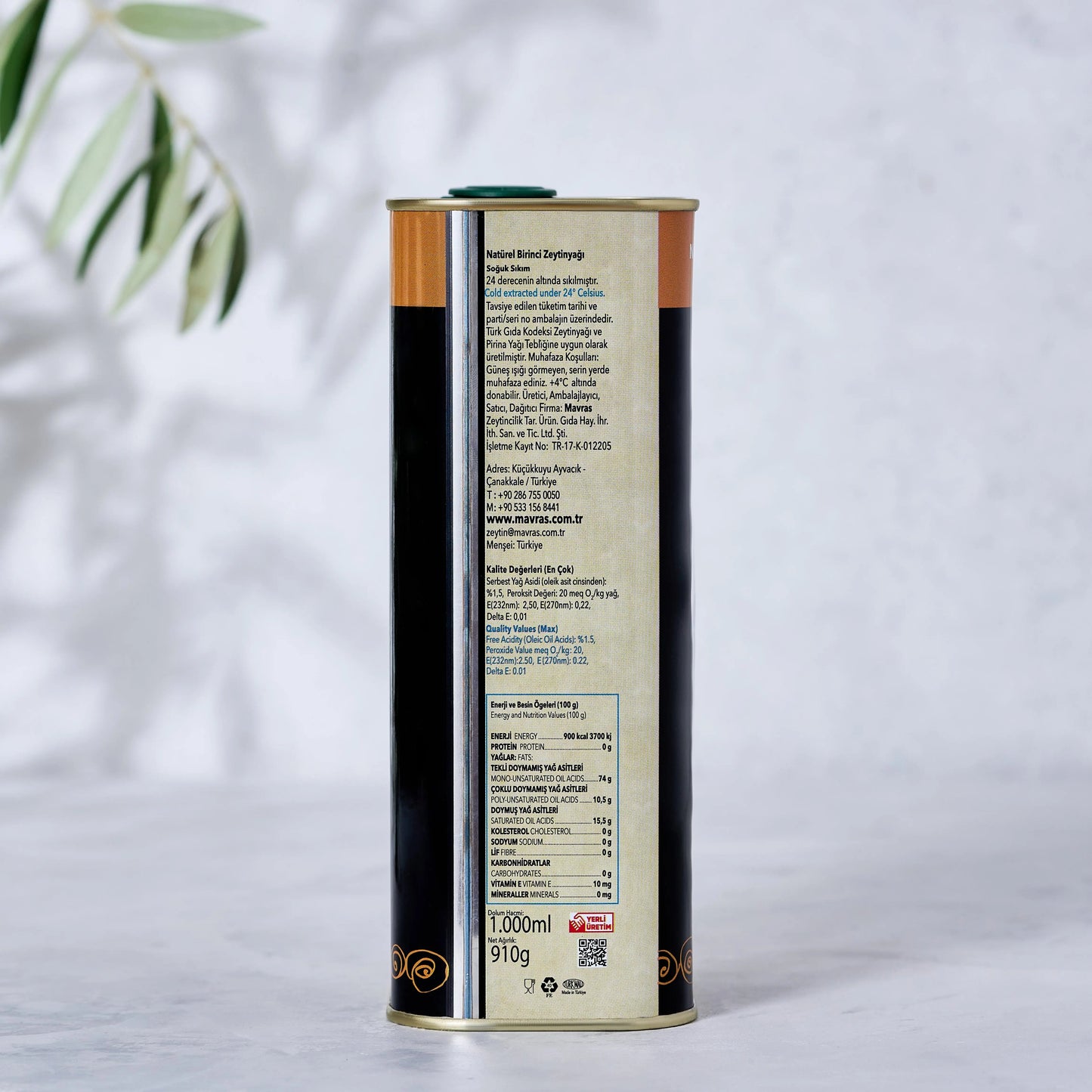
Thanks to its healthy fatty acids and antioxidants, olive oil can help reduce the risk of heart disease. When consumed regularly, it can strengthen the immune system and is known to have positive effects on the digestive system.
Turkish cuisine aficionados looking to explore these delectable options can visit the Olive Oil Collection for a curated selection.
The future state of olive oil prices seems to depend on how producers respond to environmental and economic factors. To see current olive oil developments and delicious products available, you can visit Mavras.