






Olive oil prices can fluctuate under the influence of many factors. Elements such as farmers' harvest periods, global market conditions, and exchange rates can directly affect these prices. So, how can we track the development of these prices? Here are a few important points to consider in this regard.
Examine Global and Local Market Conditions
Olive oil is directly affected by national and international market conditions. Fluctuations in global economies can change the balance of supply and demand. For example, climate changes in Spain can affect olive oil production, which can indirectly affect prices in Turkey.
To stay informed about such situations, it is important to follow economic analysis reports and market research. You can find detailed information about various olive oils in our olive oil collection and make price comparisons.
Monitor Harvest Periods and Production Quantities
Harvest periods have one of the biggest effects on olive oil prices. Especially "early harvest" olive oils have a different position in the market. For example, products such as Natural Extra Virgin Olive Oil - Early Harvest can be sold at a higher price level due to their high quality.
Production quantities, climate conditions, and harvest continuity also shape prices. Paying attention to producers' annual production estimates and the overall olive yield in the country will help you keep your information on this topic up-to-date.
Get Information from Accurate and Reliable Sources
When monitoring olive oil prices, obtaining information from accurate and reliable sources is critically important. This information can guide you in your decision-making process. Olive oil traders, industry reports, and expert analyses can be helpful in this regard. In addition, authorized websites can provide insights into changing prices.
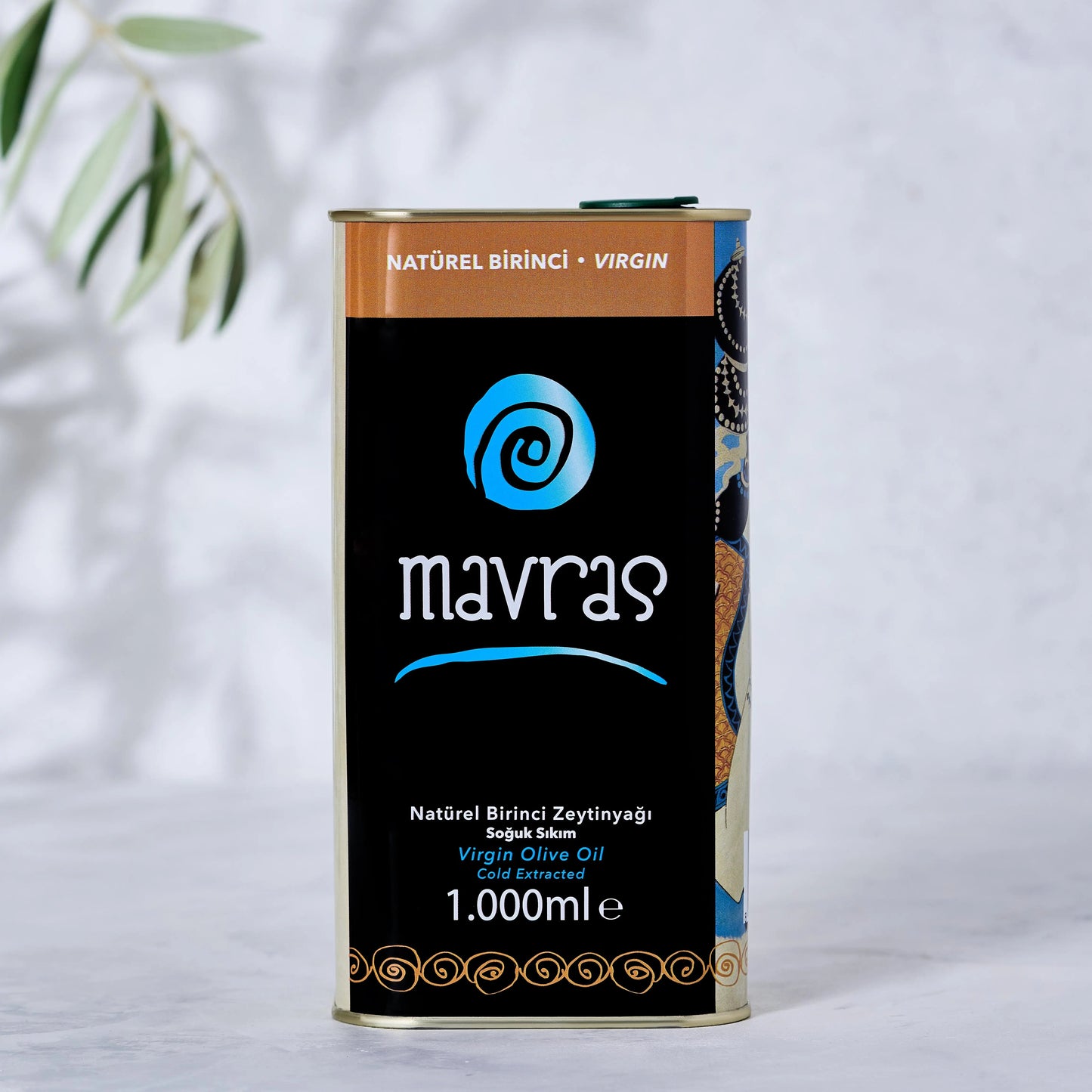
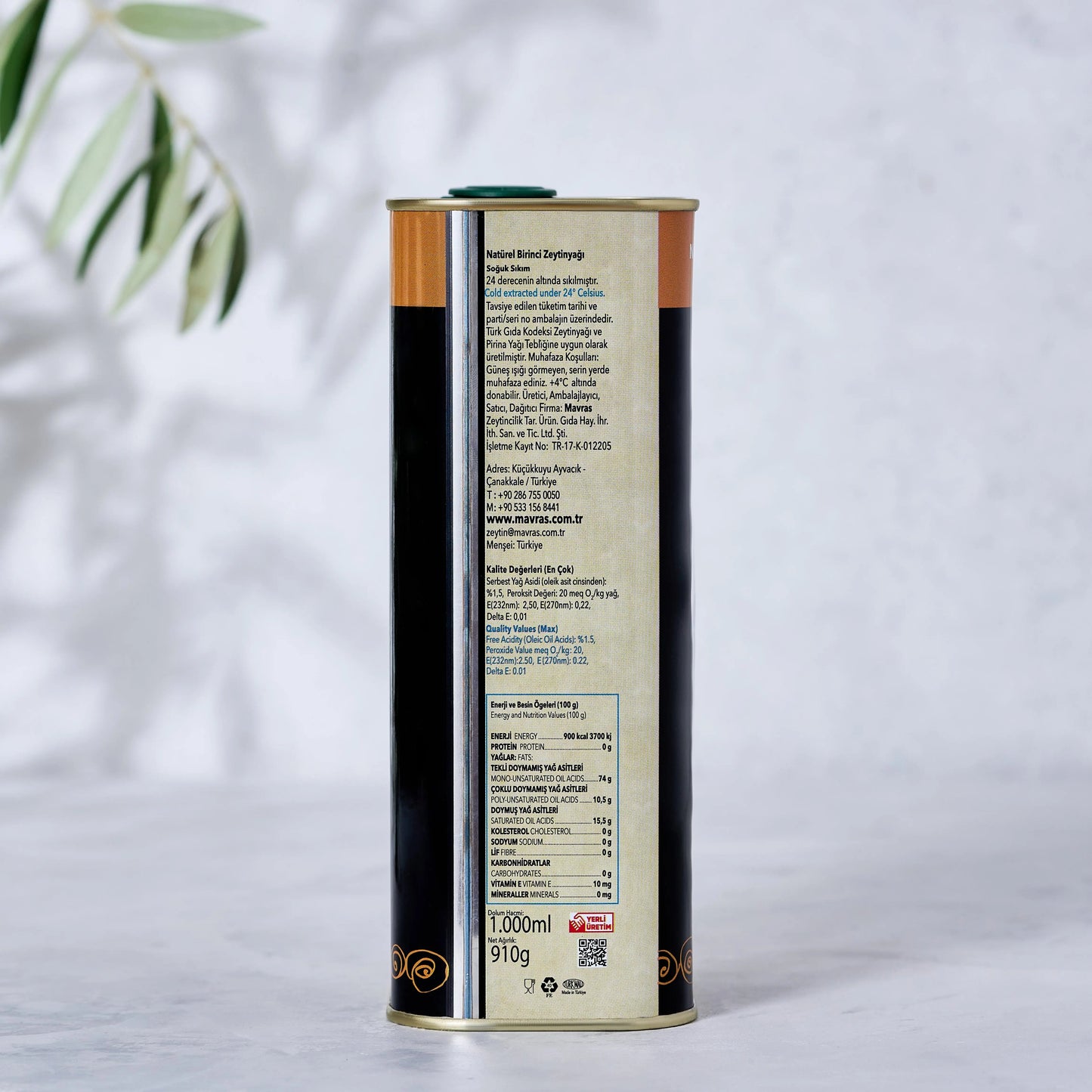
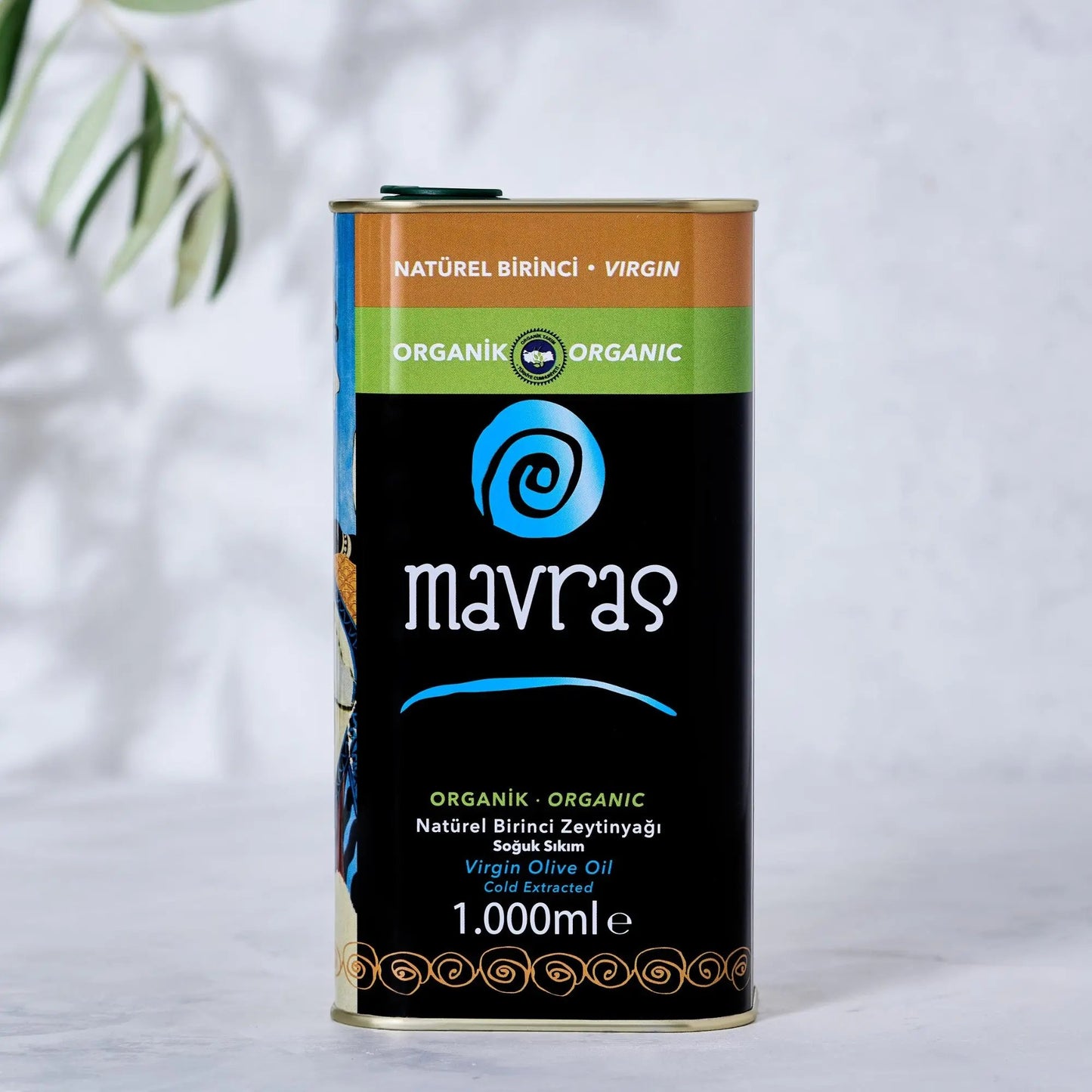
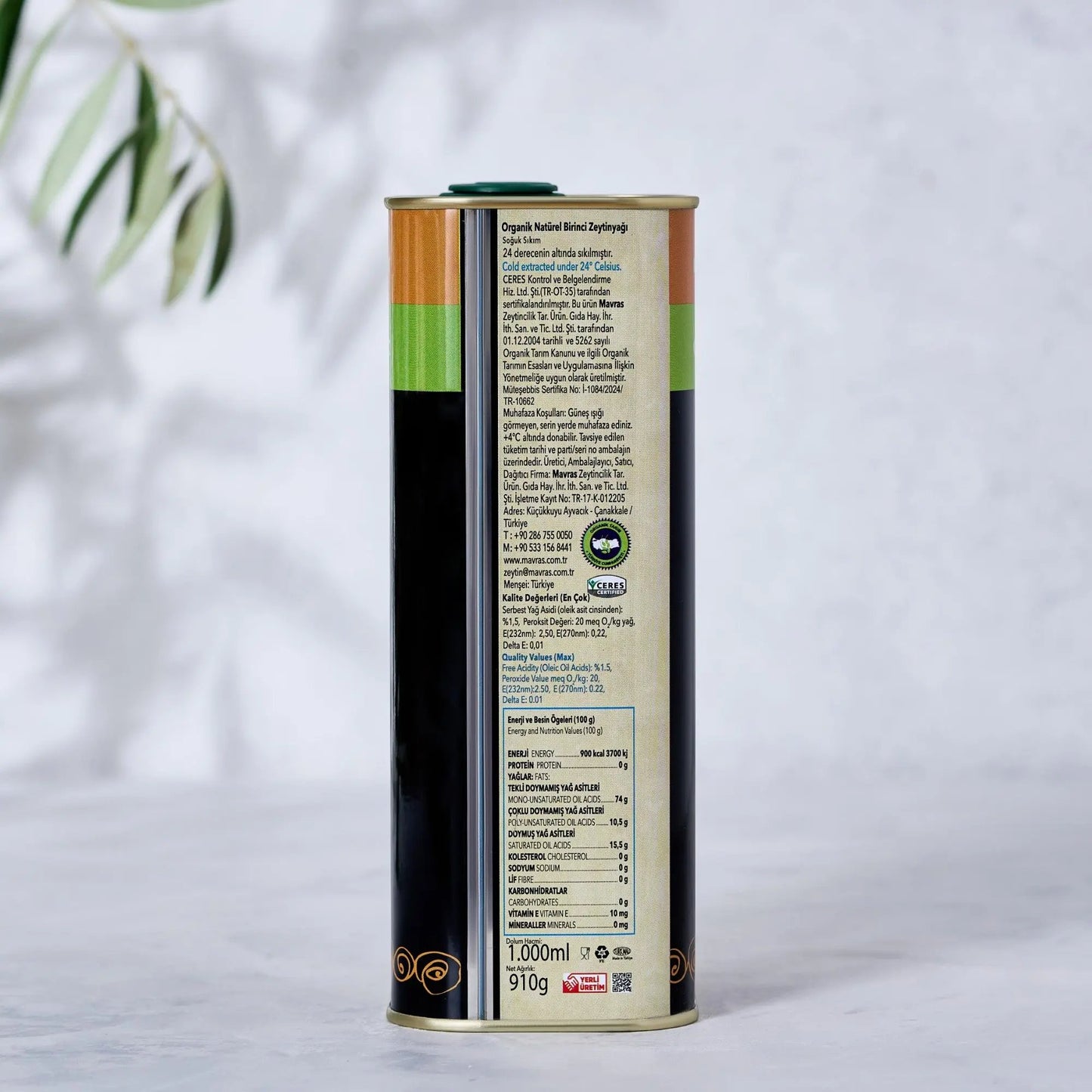
Our Recommended Products
These products are among the highest quality options on the market and make a difference in olive oil consumption.
Don't forget to visit our website for detailed information and shopping!