




What Does Cold-Pressed Olive Oil Mean? The Secret to True Flavor and Health
When buying olive oil, a phrase we often encounter is “cold-pressed”. But what does cold-pressed mean, why is it important, and does it make a difference for health? In this article, we will examine in detail what cold-pressed olive oil is, how it is produced, and its place on our tables.
What is Cold Pressing?
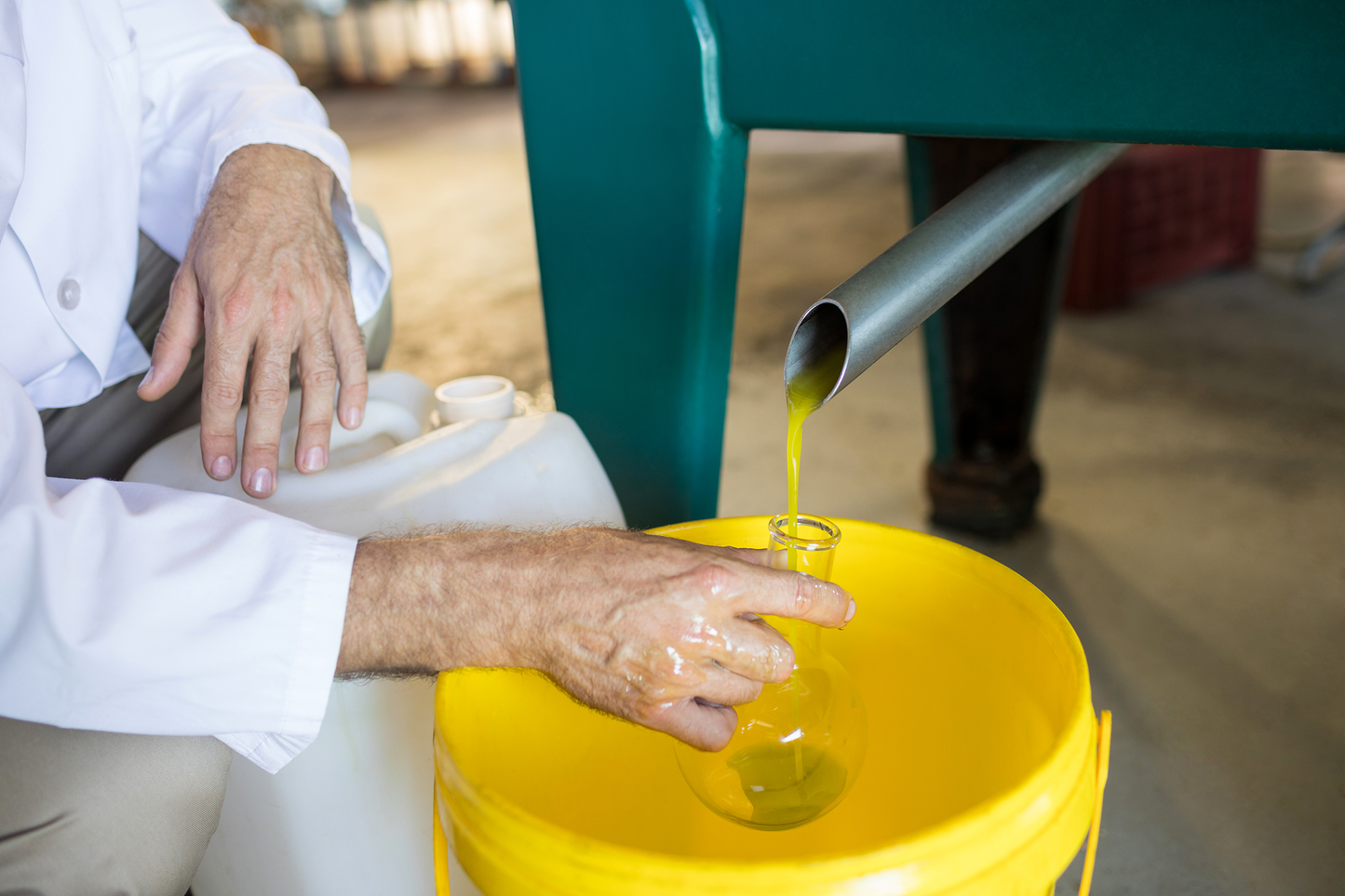
“Cold pressing” describes the method used during the conversion of olives into oil. The term “cold” here refers to the temperature applied during the production process not exceeding 27 °C.
- Purpose: To preserve the polyphenols, vitamins, and aromatic compounds in the olive oil.
- Result: A more nutritious, more aromatic, and higher quality olive oil is obtained.
Thus, cold pressing is not just a production technique; it is a sign that guarantees the naturalness and health benefits of olive oil.
The Difference Between Cold Pressing and Hot Pressing
In the past, hot water was added to the olive paste in some production methods. While this method increased the oil yield, it reduced its nutritional value and aroma. Cold pressing, on the other hand, thanks to low temperature:
- Preserves antioxidants (polyphenols, vitamin E)
- Maintains natural taste and smell
- Produces oil with lower acidity
Therefore, when it comes to quality and healthy olive oil, “cold pressing” stands out as the preferred choice.
Importance for Health
Scientific research shows that cold-pressed olive oil is particularly notable for its high polyphenol content. Polyphenols are powerful antioxidants that protect the body against the damage of free radicals.
- Contributes to cardiovascular health
- Strengthens the immune system
- Supports the digestive system
- Protects skin health
The European Food Safety Authority (EFSA) has officially confirmed that polyphenols protect blood lipids from oxidative stress. For this effect to occur, a certain level of polyphenols must be present in the oil, and this value is best achieved in cold-pressed olive oil.
Taste Profile of Cold-Pressed Olive Oil
Oils produced by the cold-pressing method generally have a fruity, slightly bitter taste and a pungent sensation in the throat. These flavors are natural indicators of high polyphenol presence.
- Fruity taste → reminiscent of fresh olive and herb aroma
- Bitterness → originates from phenolic compounds
- Pungent sensation → related to oleocanthal, a natural anti-inflammatory compound
These characteristics make the oil not only healthier but also more delicious.
How to Identify It?
To identify real cold-pressed olive oil:
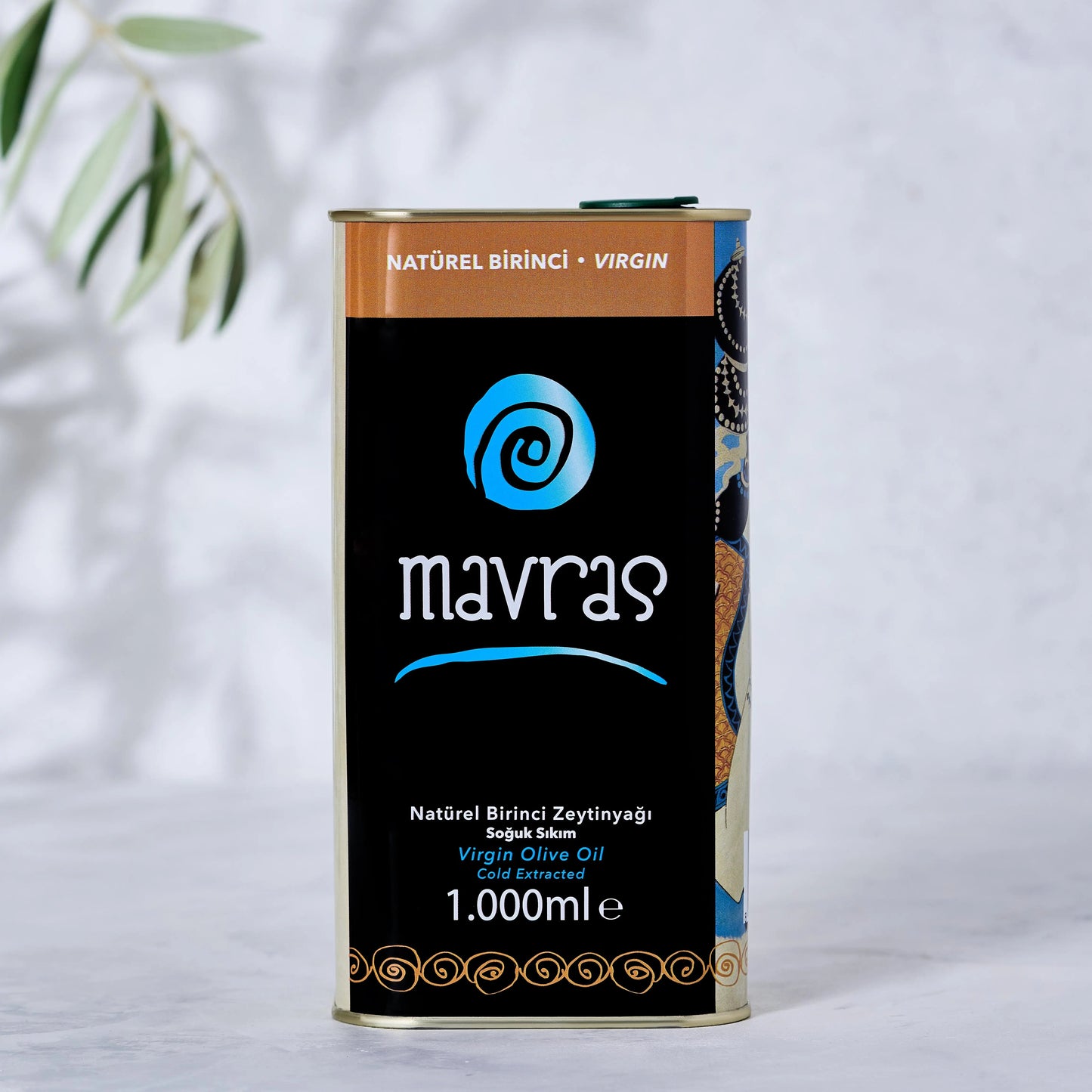
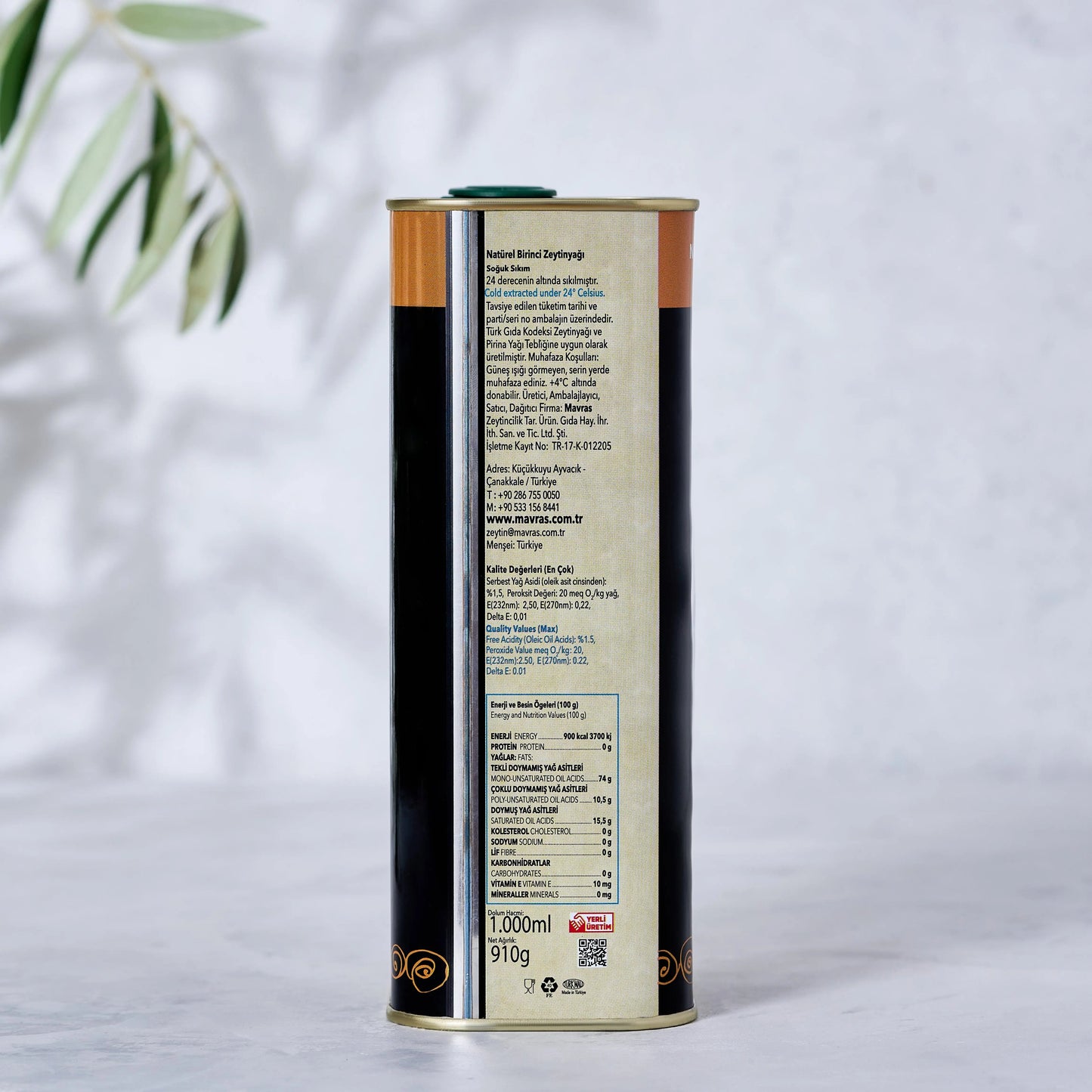
- Look for the phrase “soğuk sıkım” or “cold pressed” on the label.
- Pay attention to a low acidity level (usually ≤0.8).
- Choose dark glass or tin packaging.
- If combined with early harvest, the polyphenol value will be even higher.
Usage Recommendations
The most important difference of cold-pressed olive oil is that its nutritional values are preserved. Therefore, it is most beneficial when consumed raw:
- Drizzle it over tomatoes, cucumbers, and cheese at breakfast
- Make a dressing with lemon or pomegranate molasses for salads
- Add it raw to appetizers and cold dishes
- You can also use it in oven-baked or grilled dishes; it is quite stable against heat
Frequently Asked Question: Do Its Benefits Disappear When Cooked?
Cold-pressed olive oil can also be safely used in cooking. While high heat does reduce polyphenols somewhat, since it is produced with high values to begin with, beneficial levels are maintained even after cooking. Furthermore, the natural antioxidants in olive oil provide protection against heat.
Conclusion: The Right Choice for Your Table
The phrase “cold-pressed olive oil” is not just a production technique; it is a symbol of quality, naturalness, and health. This oil, which retains its polyphenols, vitamins, and unique aroma, adds both flavor and healing to your meals.
Consuming 1–2 tablespoons of cold-pressed extra virgin olive oil daily is one of the healthiest habits of Mediterranean culture.
