




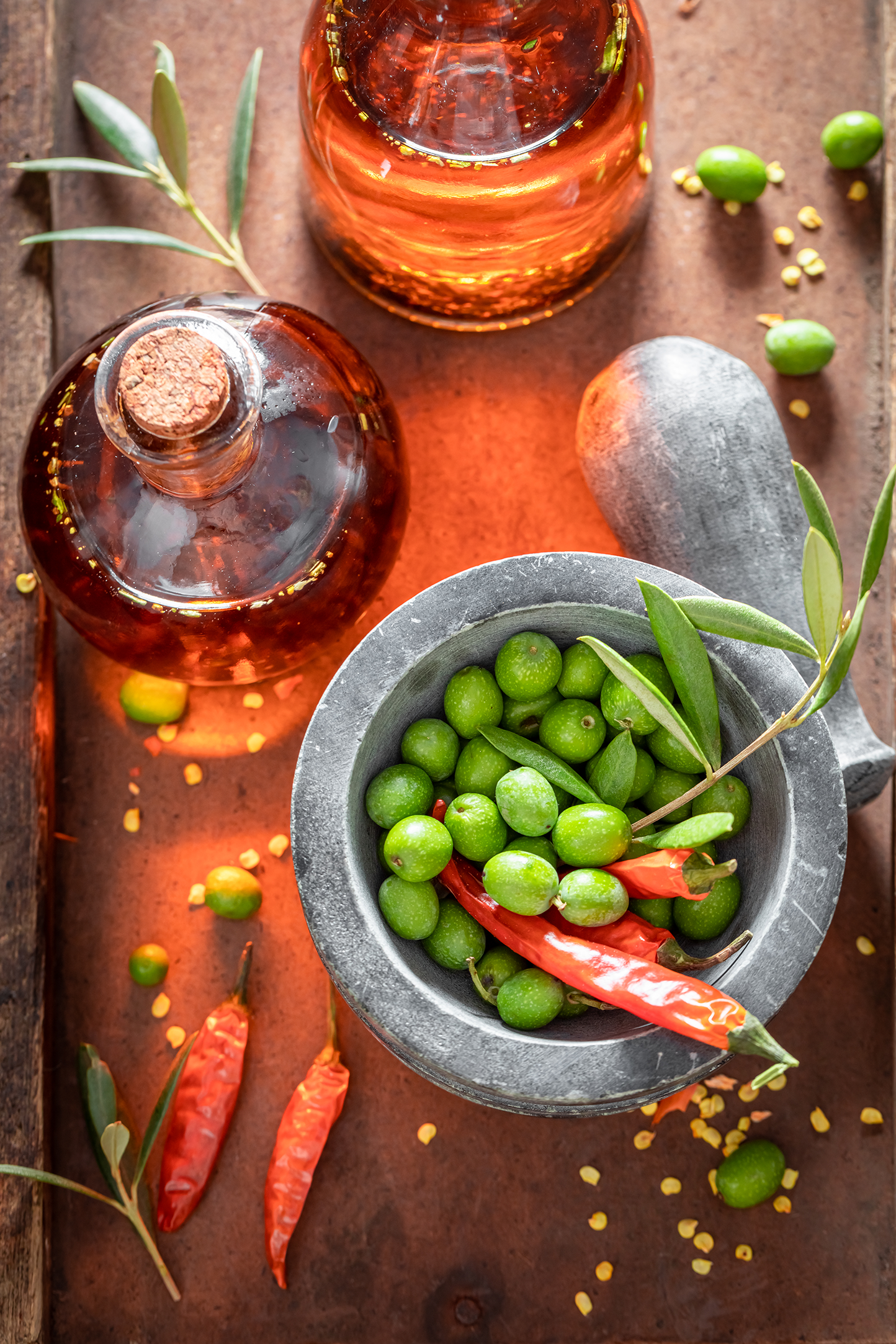
The Secret of Polyphenols
Olive oil sometimes leaves a slight burning sensation in the throat and bitterness on the tongue. This sensation is actually an indicator that the olive oil is "high in polyphenols." Polyphenols are natural compounds unique to olive oil and are known for their powerful antioxidant-anti-inflammatory properties. Particularly, the oleocanthal compound gives olive oil its characteristic "peppery" taste and has anti-inflammatory effects in the body.
What Makes Olive Oil Special?
Extra virgin olive oil is at the heart of the Mediterranean diet. The polyphenols it contains, such as hydroxytyrosol, tyrosol, oleacein, and oleocanthal:
Support cardiovascular health
Strengthen the immune system
Show a protective effect on brain health
Are beneficial for the digestive system
The European Food Safety Authority (EFSA) has confirmed that olive oil polyphenols "protect blood lipids from oxidative stress." For this, consuming 20 g (approximately 1–1.5 tablespoons) of extra virgin olive oil daily is sufficient.
High Polyphenol Olive Oil and Health
Heart-Friendly: Large clinical studies show that extra virgin olive oil used in the Mediterranean diet reduces the risk of heart attack and stroke by up to 30%.
Blood Sugar Balance: When olive oil is added to meals with a high glycemic index, the post-meal rise in blood sugar is more controlled.
Cooking Stability: Olive oil is suitable not only for raw consumption but also for cooking methods such as sautéing, baking, and grilling. The smoke point of quality extra virgin olive oil ranges from 175–240 °C, and its natural antioxidants provide protection against heat.
Flavor Profile: A Natural Indicator
Bitterness and a slight burning sensation in the throat are usually indicators of high polyphenol oils. However, for a definitive evaluation, a polyphenol analysis (mg/kg) conducted by the producer or an independent laboratory is a reliable measure. The phrases "early harvest," "cold press," and "dark bottle" are also good indicators of quality.
Storage Recommendations
Polyphenols decrease over time due to light, heat, and oxygen. Therefore:
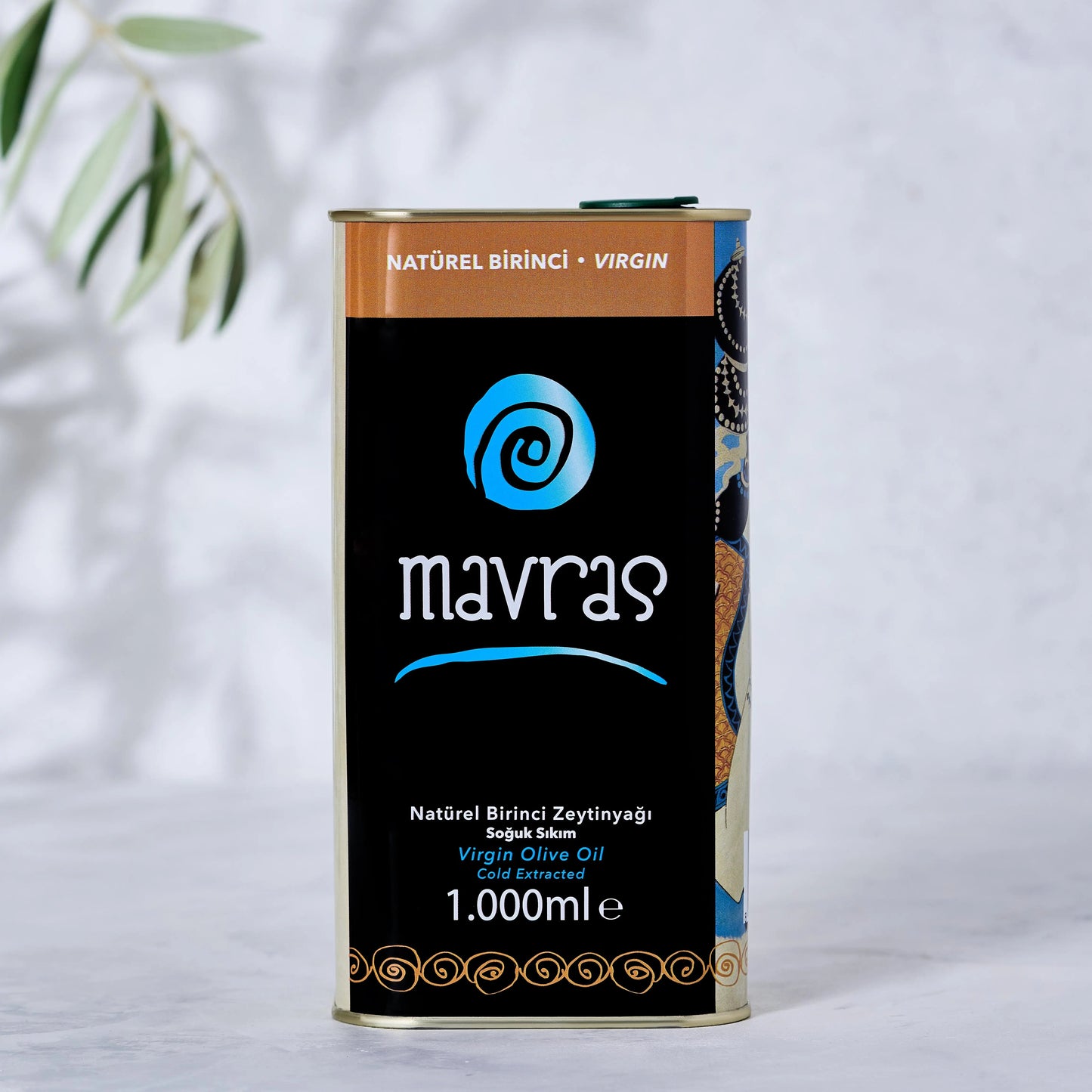
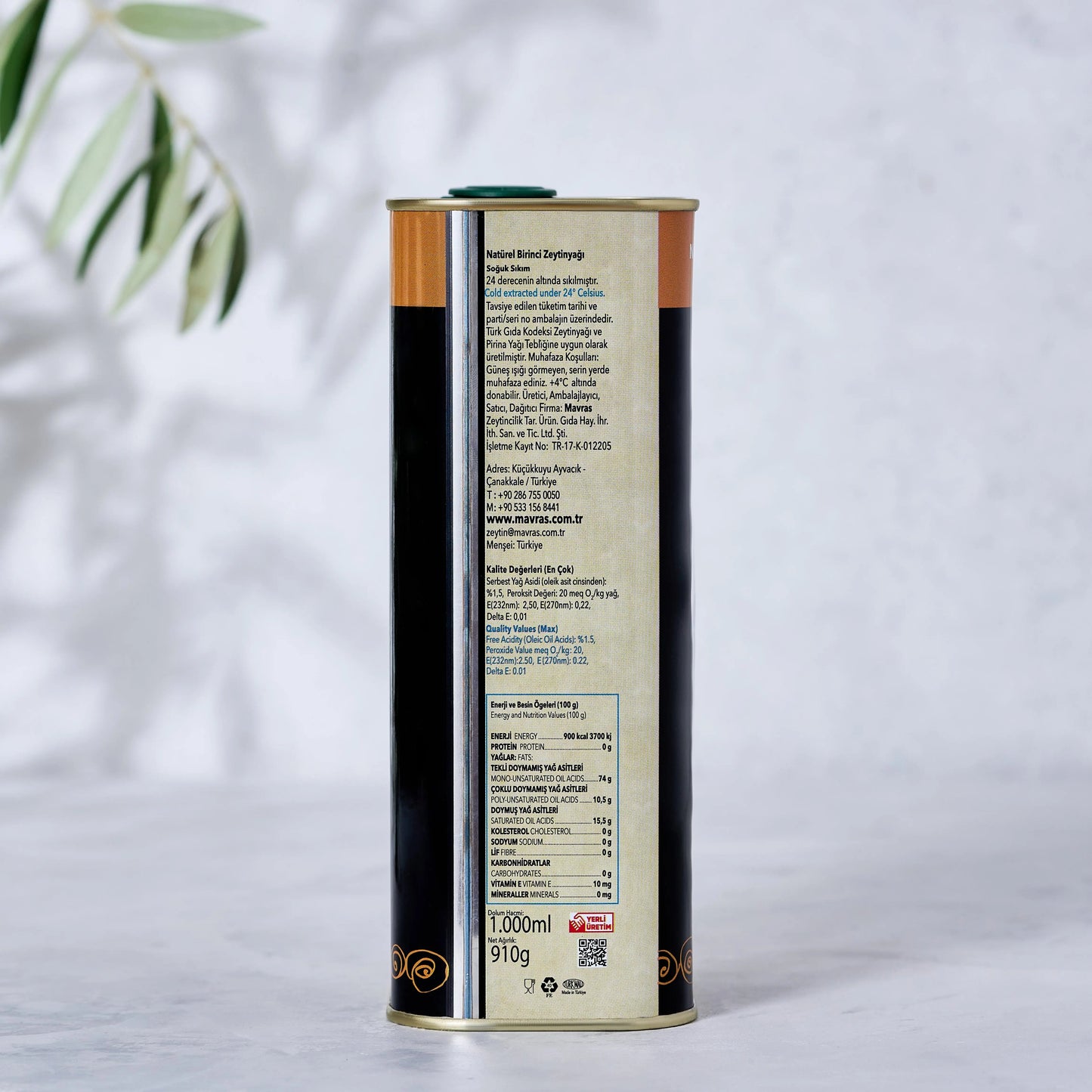
Prefer dark glass or tin packaging.
Store your oil in a cool, dark place (13–25 °C).
Use smaller volume bottles instead of large ones.
These simple steps help preserve the freshness and nutritional value of your olive oil.
Kitchen Usage Ideas
High polyphenol olive oil is not only a source of health but also a unique flavor in the kitchen:
- For Breakfast: Drizzle over tomatoes, cucumbers, and feta cheese, then sprinkle with thyme.
- In Salads: Mix with lemon, pomegranate molasses, mustard, and garlic to make a dressing.
- In Baked Dishes: Toss vegetables like eggplant, zucchini, and peppers with olive oil and spices.
- With Fish and Seafood: Marinate briefly with garlic and lemon.
- In Meze: Drizzle raw over hummus or roasted eggplant.
In these uses, the fruity, bitter, and peppery balance of olive oil enhances both flavor and benefit.
Frequently Asked: Can it be used for Frying?
Contrary to popular belief, quality extra virgin olive oil has a very wide smoke point. Therefore, it can be comfortably used in methods such as sautéing, baking, and grilling. Only excessively high temperatures should be avoided.
Conclusion: A Healthy Revolution on Your Table
High polyphenol early harvest extra virgin olive oil is not just a cooking oil; it is a powerful natural supplement that you can take in small doses in your daily life. Regular consumption of 1-2 tablespoons of olive oil per day helps protect your cardiovascular health, balance your blood sugar, and strengthen your body against oxidative stress.
This special oil, full of health and flavor in every drop, is a candidate to become indispensable on your tables.
