




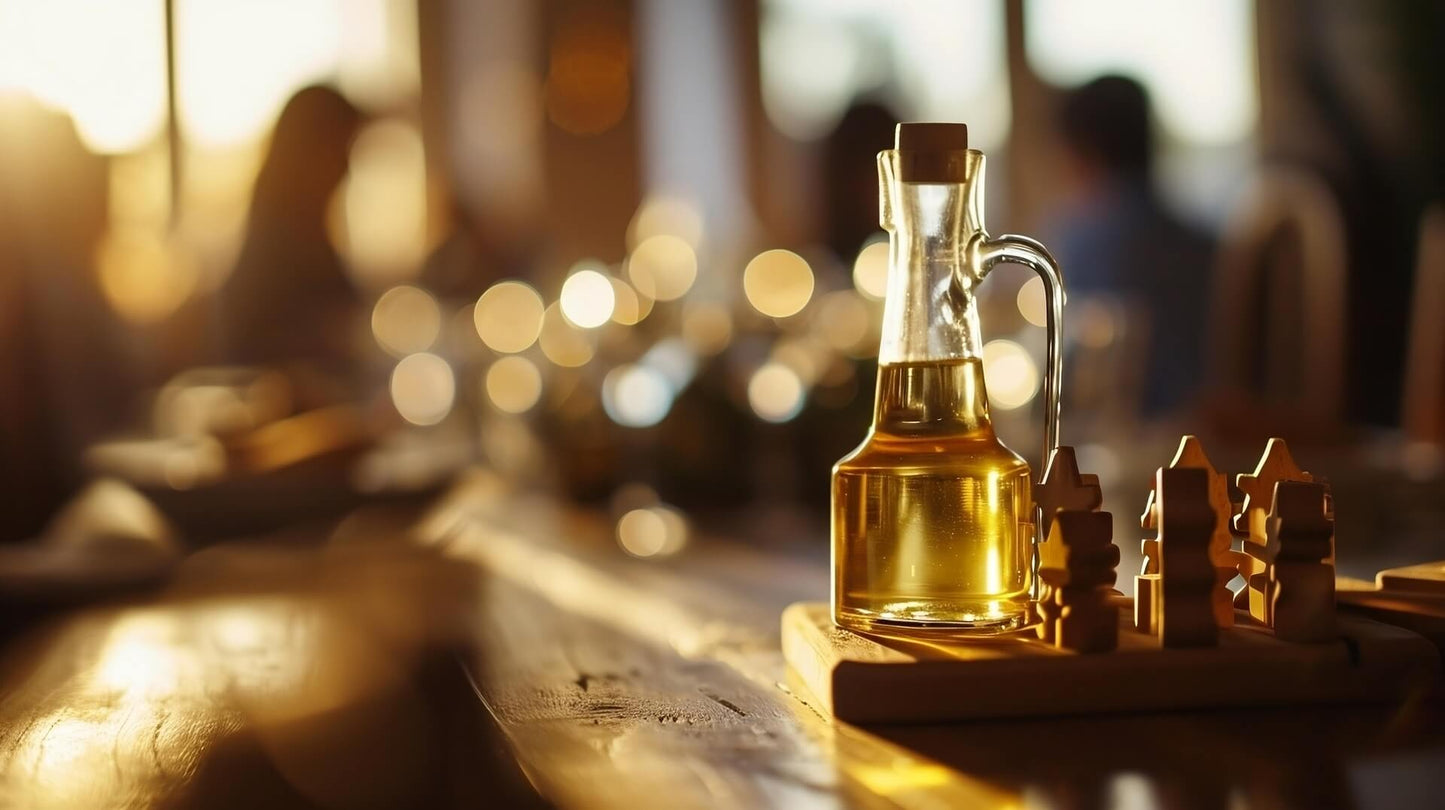
Olive oil is indispensable in Mediterranean cuisine. While it offers countless health benefits, there's a common question consumers frequently ask: Does olive oil go bad, and what is its shelf life?
In short: Yes, like other natural foods, olive oil can go bad over time. However, when stored correctly, it retains its freshness and flavor for a long time.
Does Olive Oil Go Bad?
Olive oil oxidizes when exposed to heat, light, and oxygen. During this process, the oil's chemical structure changes, beneficial polyphenols decrease, and it develops a bitter, stale taste.
Spoiled olive oil:
- Loses its fruity freshness
- Tastes pungent, moldy, or waxy
- May darken in color or become cloudy
So, olive oil doesn't "sour" or "mold" but becomes rancid.
What is the Shelf Life of Olive Oil?
According to the International Olive Council (IOC) and scientific studies, the average shelf life of olive oil is 18–24 months.
Factors affecting shelf life:
- Harvest time: Early harvest oils contain higher polyphenols, thus lasting longer.
- Acidity: Low-acid oils have a longer shelf life.
- Filtration: Filtered oil spoils slower than unfiltered oil because sediment accelerates fermentation.
- Storage conditions: Exposure to light, heat, and oxygen accelerates spoilage.
How to Tell if Olive Oil Has Gone Bad?
You can use your senses to tell if olive oil has gone bad:
- Smell: Rancid nuts, wax, or paint-like odor
- Taste: Unpleasant bitterness in the throat, metallic taste
- Appearance: Dullness, cloudiness (except when solidified in cold)
Important: When olive oil solidifies (especially in winter), this is not a sign of spoilage; rather, it indicates its naturalness. It will clear up again at room temperature.
Storage Tips to Prevent Olive Oil from Going Bad
-
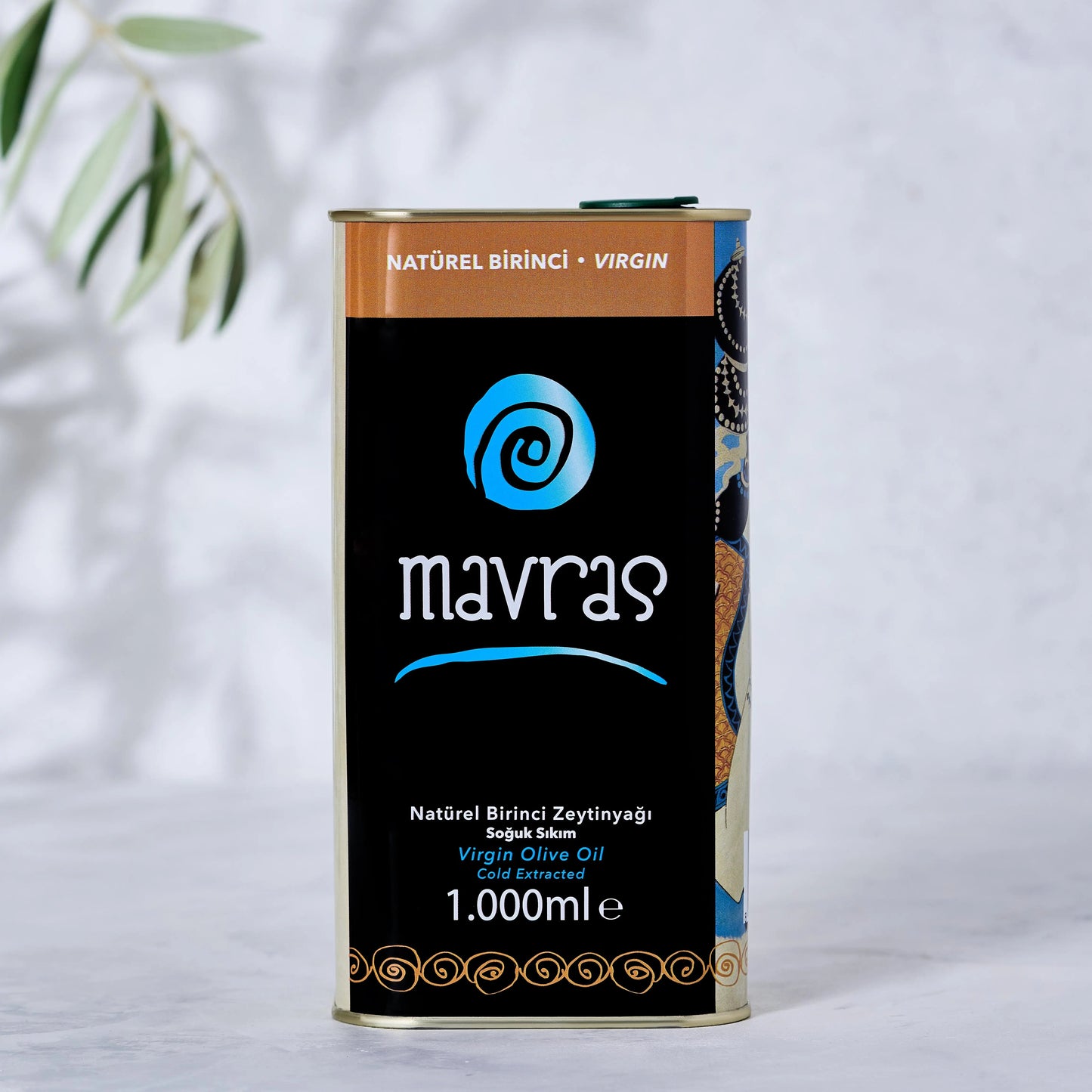
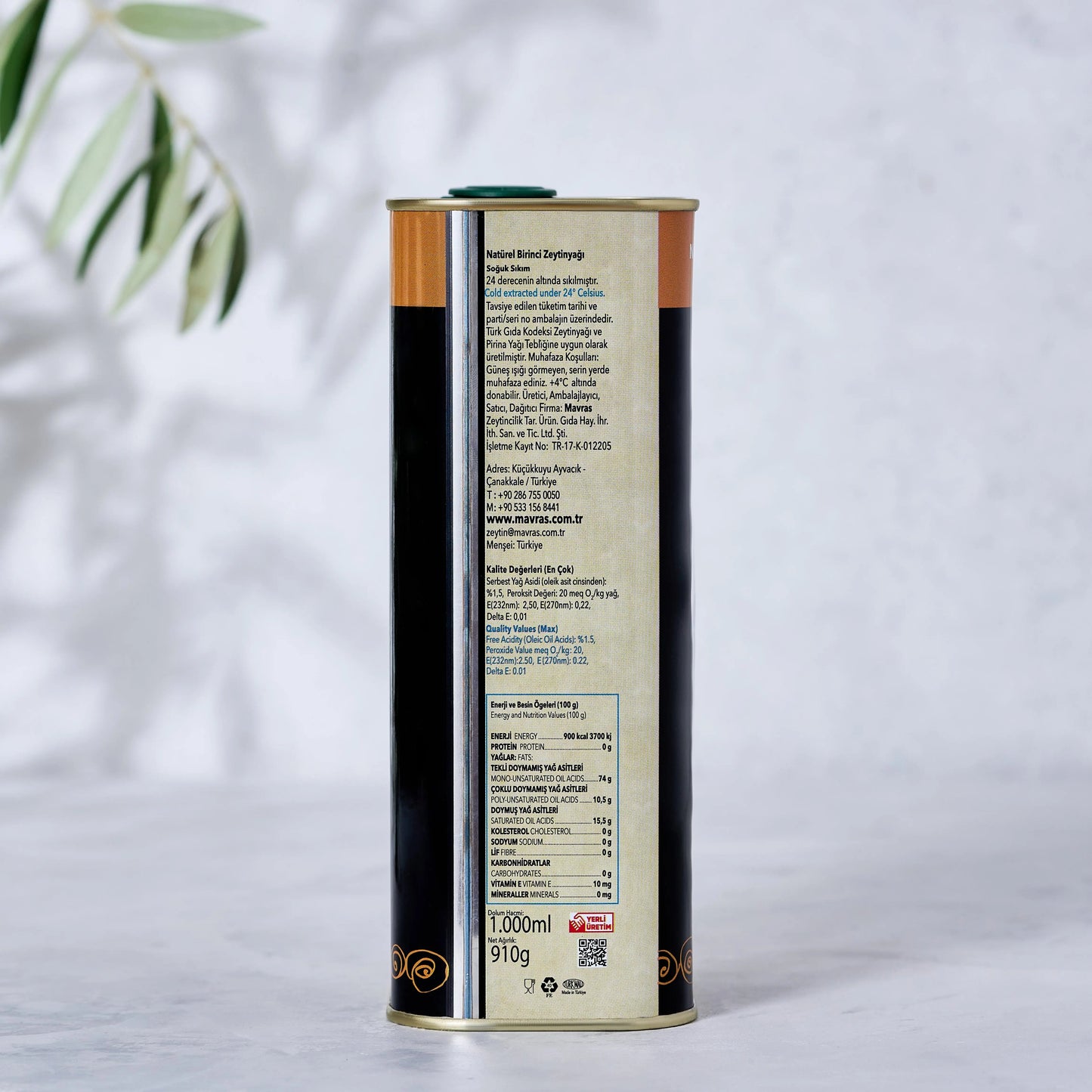
Choose dark glass or tin bottles
Transparent bottles allow light to pass through, accelerating oxidation. -
Store in a cool place (13–25 °C)
Excessive heat (e.g., next to the stove) accelerates spoilage. -
Close the bottle tightly
Exposure to air reduces polyphenols. -
Buy smaller bottles instead of large ones
Consuming it sooner after opening helps preserve freshness. -
Protect from direct sunlight
It's better to store it in a cabinet rather than on the kitchen counter.
Filtration and Shelf Life
- Filtered oil: Has a longer shelf life.
- Unfiltered oil: While its freshness is more pronounced, it should be consumed quickly.
Mavras's silk filtration method clarifies the oil without damaging its natural structure and extends its shelf life.
Conclusion: Olive Oil Isn't Eternal, But Long-Lasting
When stored correctly, olive oil can retain its freshness for up to 2 years. However, it's best not to consume it once signs of spoilage appear.
Buying a high-quality, early harvest, and cold-pressed olive oil and storing it under the right conditions is the most reliable way to ensure both flavor and health benefits on your table.
