




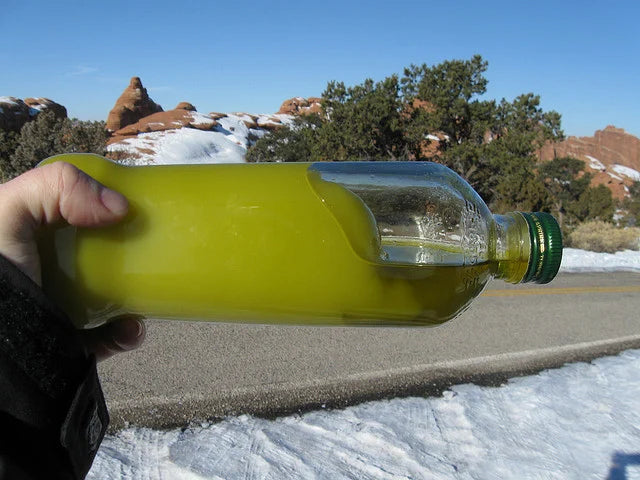
One of the questions olive oil consumers are most curious about is: "Does olive oil freeze, and if it does, does that mean it has gone bad?" In fact, the freezing of olive oil is an entirely natural phenomenon and often provides important clues about the oil's quality. In this article, we discuss the conditions under which olive oil freezes, what it means, and what it implies for the consumer.
Does Olive Oil Freeze?
Yes, olive oil freezes below certain temperatures. The freezing point of olive oil typically ranges between +4 °C and +10 °C. This value can vary depending on the oil's content and the olive variety.
Factors Affecting Freezing
- Fatty acid profile: Oils with a high proportion of monounsaturated fatty acids (oleic acid) freeze at lower temperatures.
- Polyphenol content: Oils with high polyphenol content may have a denser structure, which affects freezing behavior.
- Olive variety: Olive oils obtained from olives grown in different regions have different freezing points.
- Production method: Freezing may be more noticeable in cold-pressed and early harvest oils.
What Happens When Olive Oil Freezes?
When olive oil freezes, whitish crystals form within it, and over time, it can become completely solid. However, this is not a sign of spoilage. When the oil thaws, it returns to its original clear state. During this process, there is no significant reduction in nutritional value.
What Does the Freezing of Olive Oil Mean?
- It is an indicator of naturalness: Pure extra virgin olive oil freezes, while refined oils generally do not.
- It indicates that it is additive-free: Products containing a mixture of foreign oils may exhibit different freezing behavior.
- It can be a sign of freshness: Crystallization is more distinctly observed in freshly pressed oils.
Does Olive Oil Go Bad When It Freezes?
No. The freezing of olive oil is a physical change, not spoilage. When it returns to room temperature, it reverts to its original state and can be consumed safely. The important thing is that the oil is not exposed to light, air, and high heat during the freezing-thawing process.
How to Store Olive Oil?
- Ideal temperature: 13–25 °C.
- Packaging: Dark glass or tin bottles should be preferred.
- Environment: It should be stored in a cool, dark, and dry place.
- Lid: The bottle should be tightly closed, and contact with air should be kept to a minimum.
Mavras's Approach
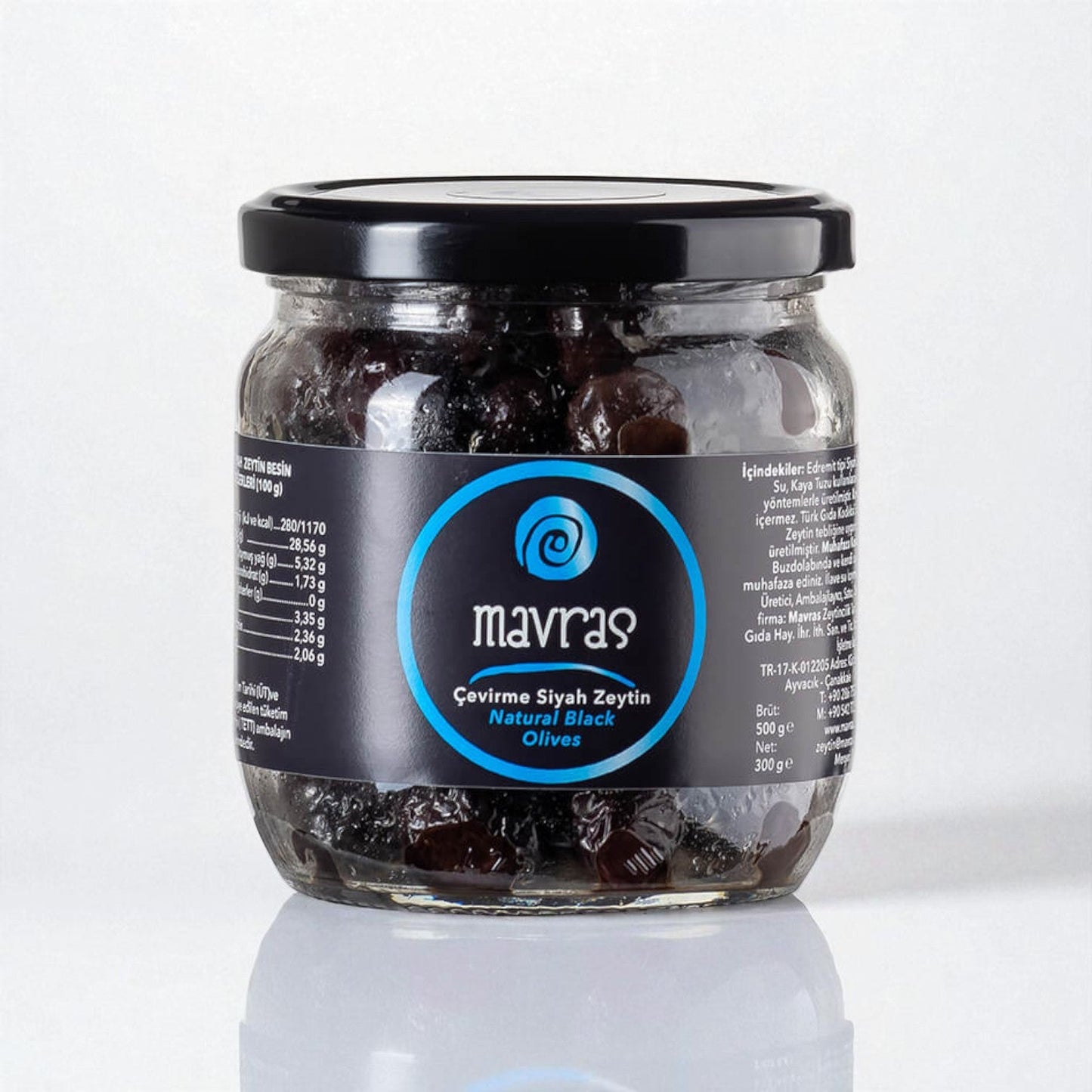
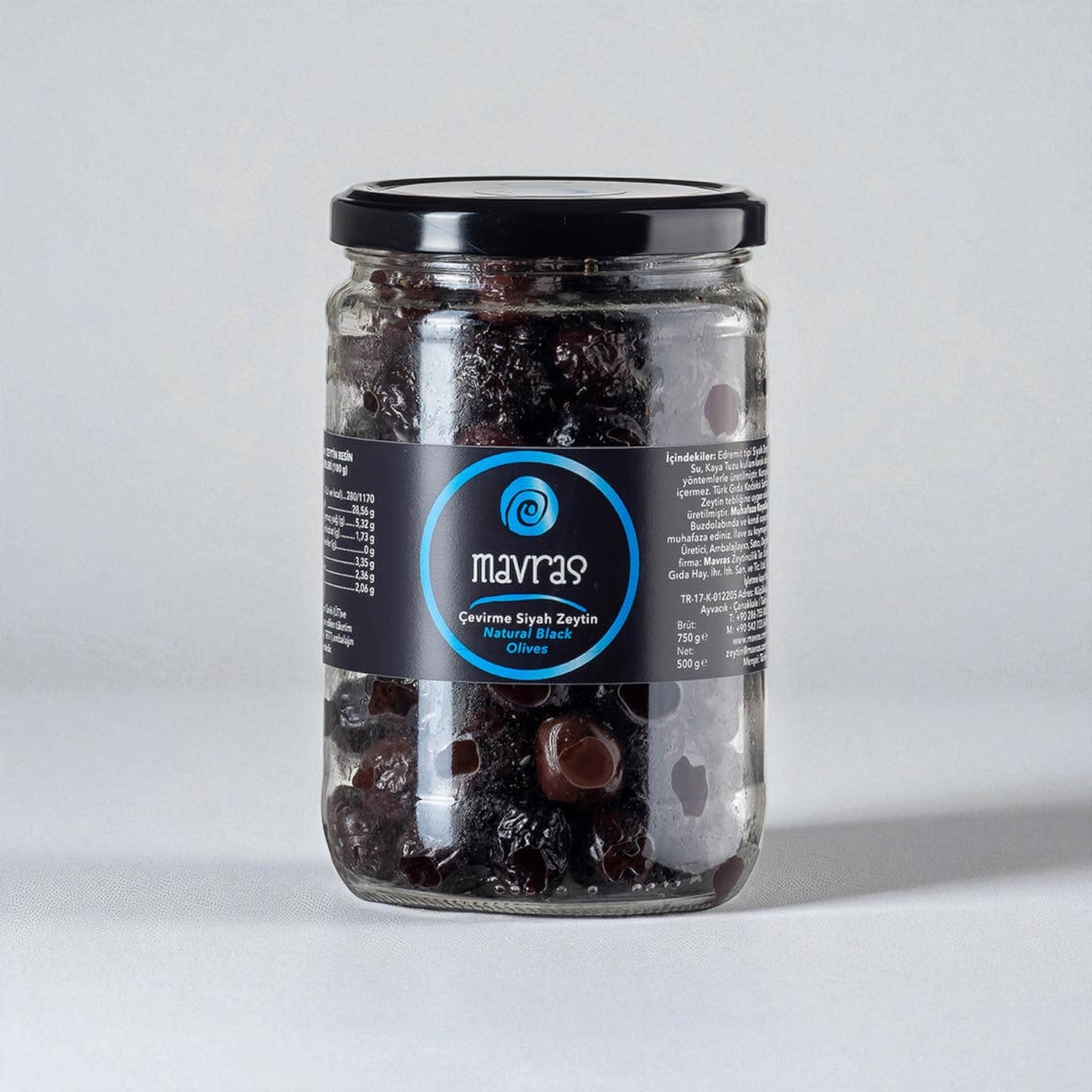
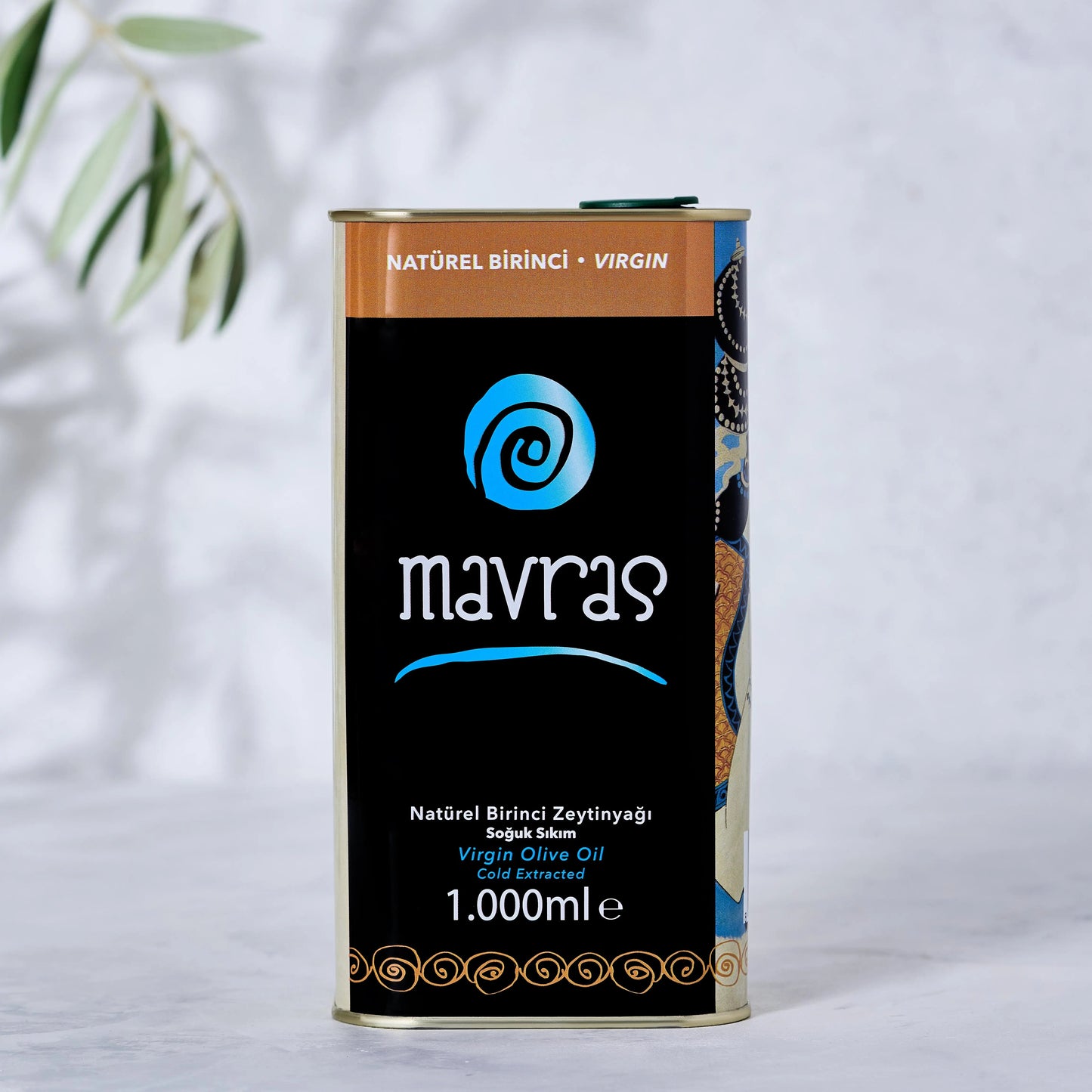
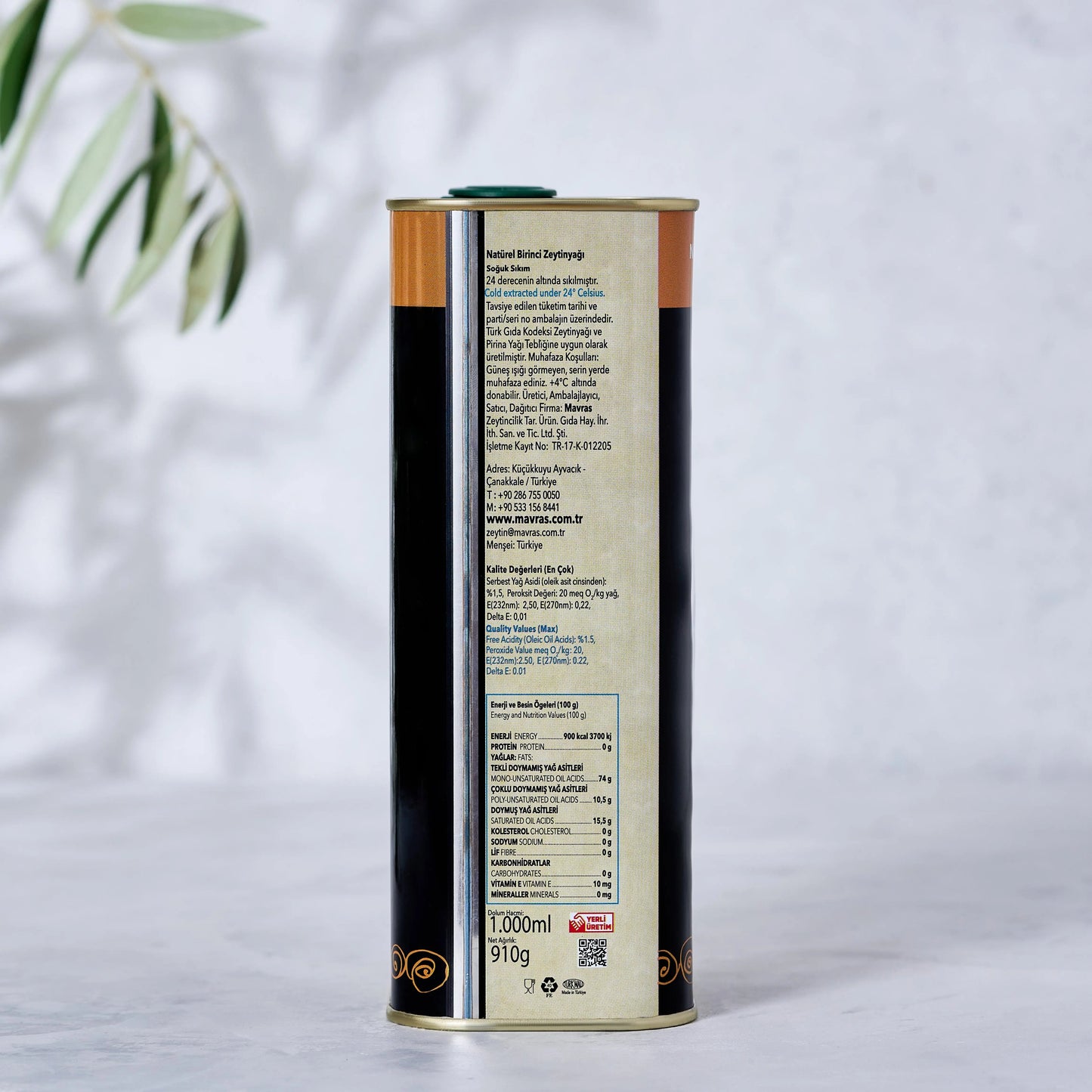
Mavras produces high-polyphenol, early harvest, and cold-pressed olive oils. Such oils can easily freeze, especially in winter. For consumers, this is an indicator of naturalness and being additive-free. Mavras oils return to their clear and fluid state when they reach room temperature.
Conclusion
The freezing of olive oil is not a sign of spoilage, but an indication of its naturalness. Pure and additive-free extra virgin olive oil crystallizes and freezes at low temperatures. When brought to room temperature, it returns to its original state. Therefore, there is no need to worry if your oil freezes during the winter months; on the contrary, it is proof that you have chosen the right product.
