





When buying or tasting olive oil, many people ask: "Why do some olive oils taste bitter or leave a burning sensation in the throat?" While this is often thought to be a flaw, the opposite is true. Bitterness is one of the most important indicators of high-quality, high-polyphenol olive oil.
The Source of Bitterness in Olive Oil
The primary reason for olive oil's bitterness is the phenolic compounds it contains. Specifically, compounds called "oleocanthal" and "oleuropein" give the oil its characteristic bitter and pungent taste. These compounds also possess strong antioxidant and anti-inflammatory properties.
The Connection Between Bitterness and Health
- Oleocanthal: Causes a slight burning sensation in the throat. According to scientific research, it can have an anti-inflammatory effect similar to ibuprofen in the body.
- Oleuropein: Also found in olive leaves, this compound imparts a distinct bitterness to the oil and is a powerful antioxidant.
- Hydroxytyrosol: In addition to bitterness, it adds a fruity aroma. It is beneficial for cardiovascular health.
Is Bitter Olive Oil High Quality?
Yes. Bitterness indicates the freshness and polyphenol richness of olive oil. Therefore, tasting experts consider the bitter and pungent sensation, along with the fruity taste, as positive criteria when evaluating high-quality extra virgin olive oil.
Why Are Some Oils More Bitter?
Several factors influence the bitterness level of olive oil:
- Harvest time: Green olives harvested early contain higher polyphenols, which means more pronounced bitterness and pungency.
- Production method: The cold-press method preserves polyphenols and increases bitterness.
- Olive variety: Some olive varieties naturally contain more intense phenolic compounds.
- Freshness: Freshly pressed oils have a more intense bitterness, which diminishes over time.
Is Bitterness Harmful?
No. On the contrary, bitterness is one of the most valuable characteristics of olive oil. Antioxidants and polyphenols support the immune system, contribute to cardiovascular health, and protect the body against free radicals.
Understanding Through Taste Test
To understand high-quality olive oil, you can perform a simple taste test:
- Take a small sip of olive oil.
- Swirl it in your mouth and swallow slowly.
- Feeling bitterness on the tongue and a slight burning sensation in the throat indicates that the oil is rich in polyphenols.
Mavras's Approach
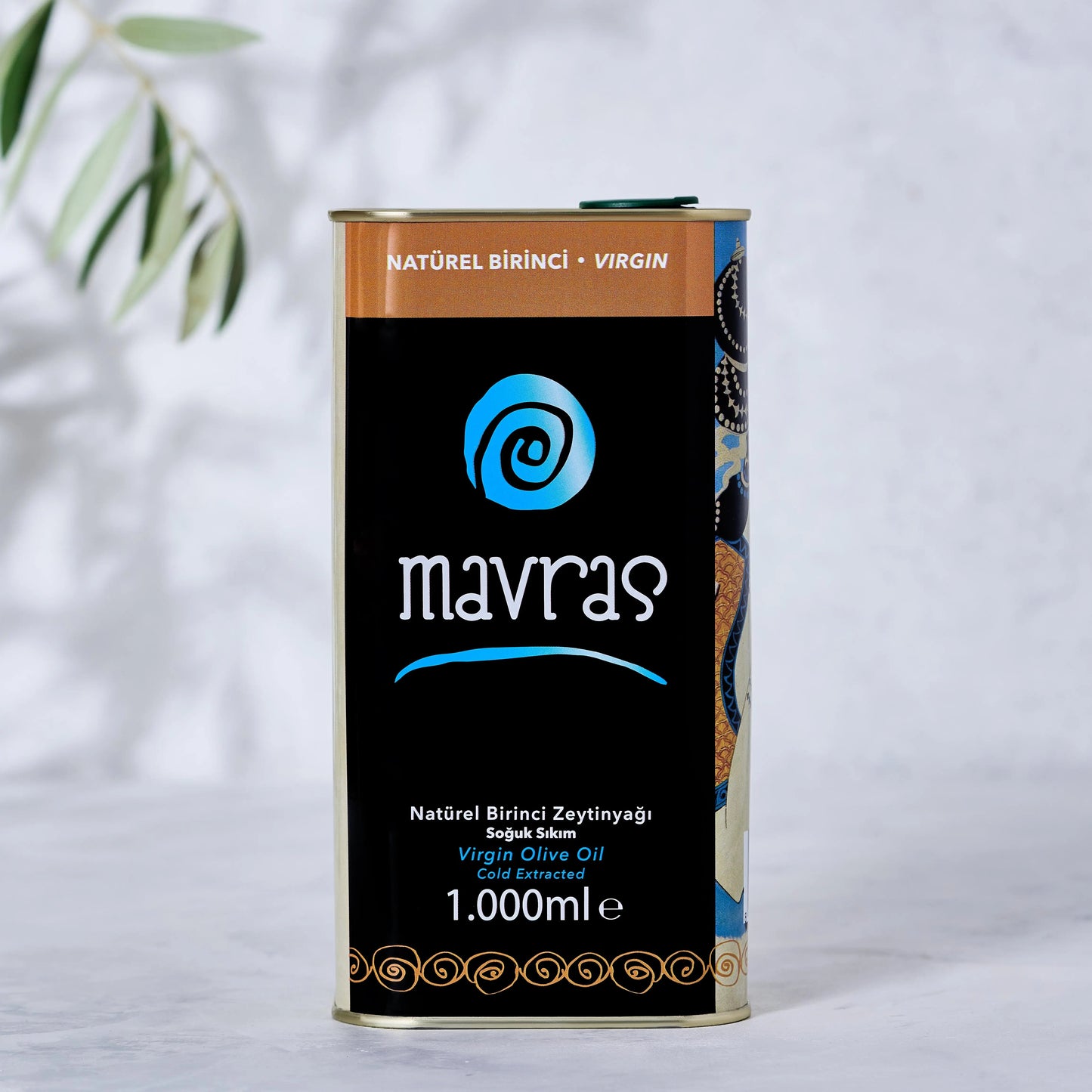
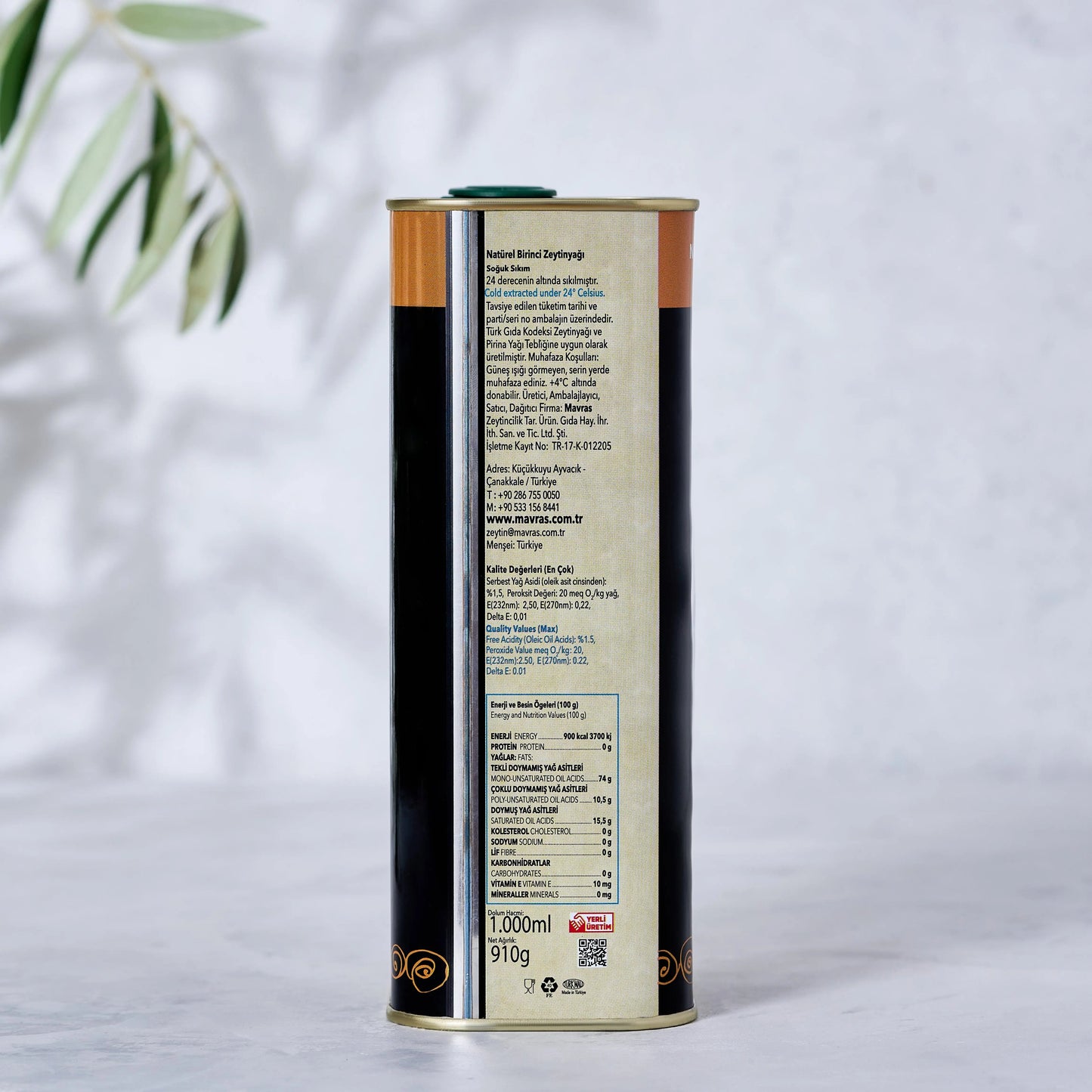
Mavras offers high-polyphenol olive oils produced using early harvest and cold-press methods. Therefore, the balance of fruity taste, bitterness, and pungency felt in Mavras oils is a sign of both quality and health.
Conclusion
The bitterness of olive oil does not mean it is spoiled or bad. On the contrary, it is one of the most distinct indicators of a high-quality and healthy olive oil. When you feel bitterness and pungency at your table, you are actually providing your body with antioxidant richness.
